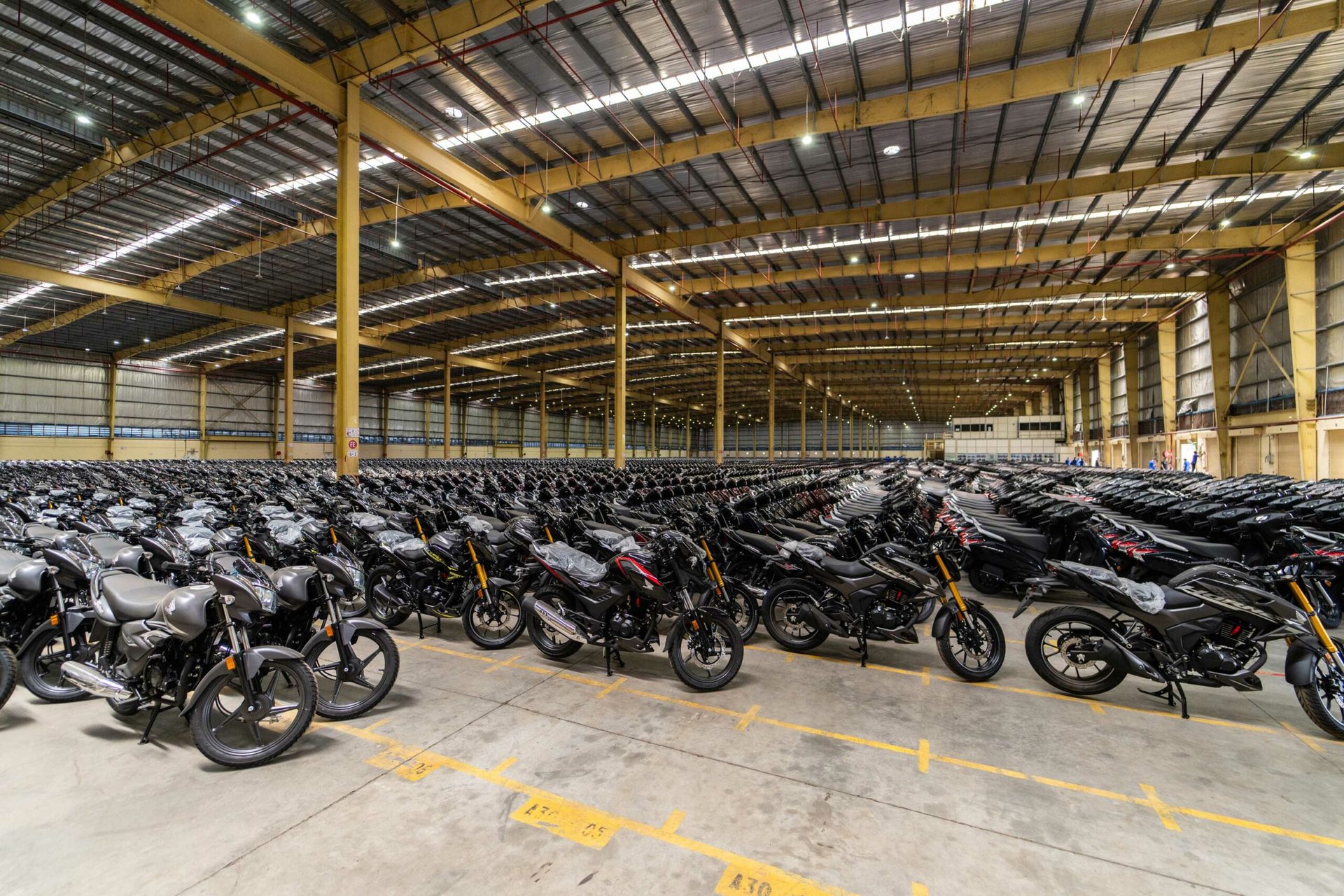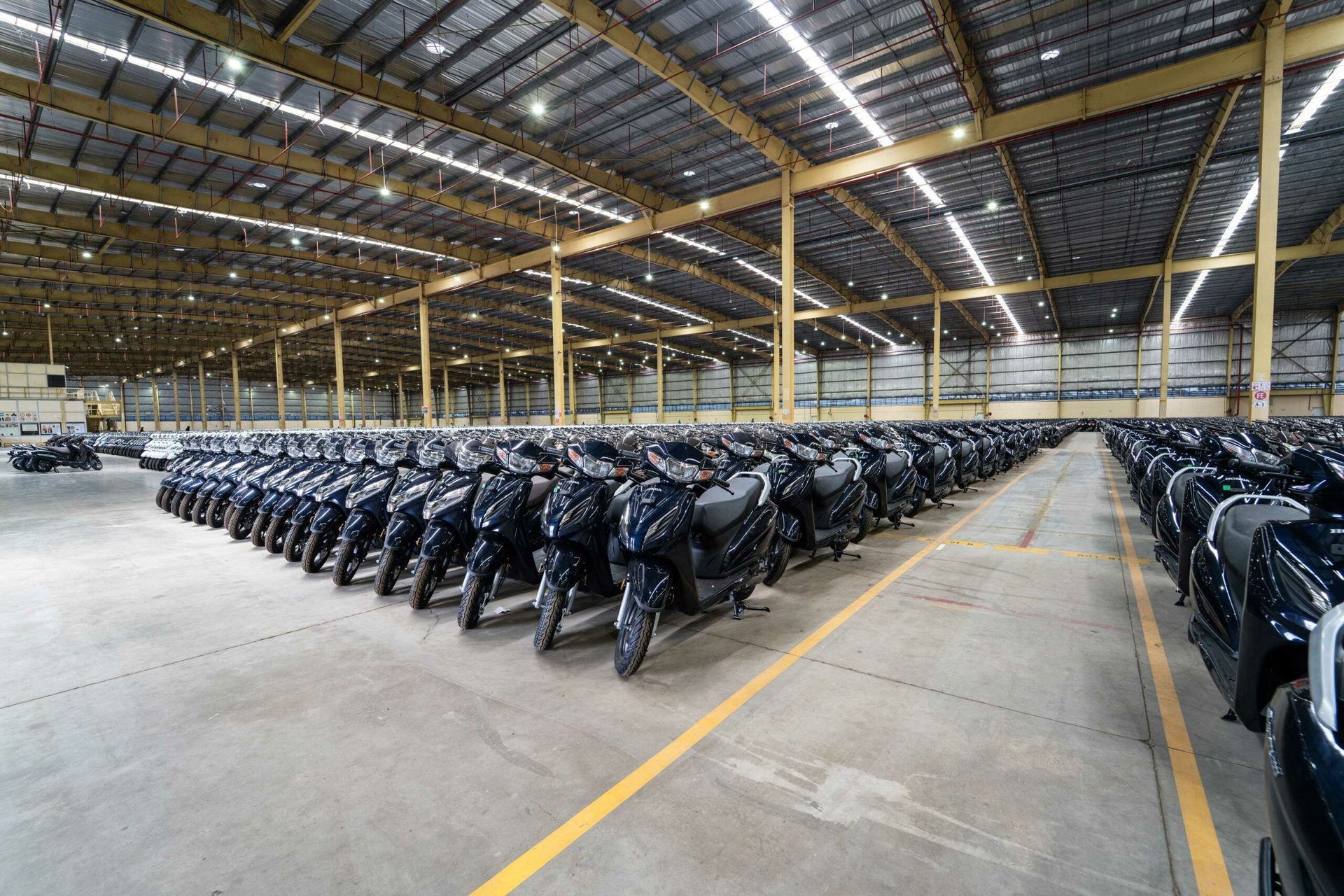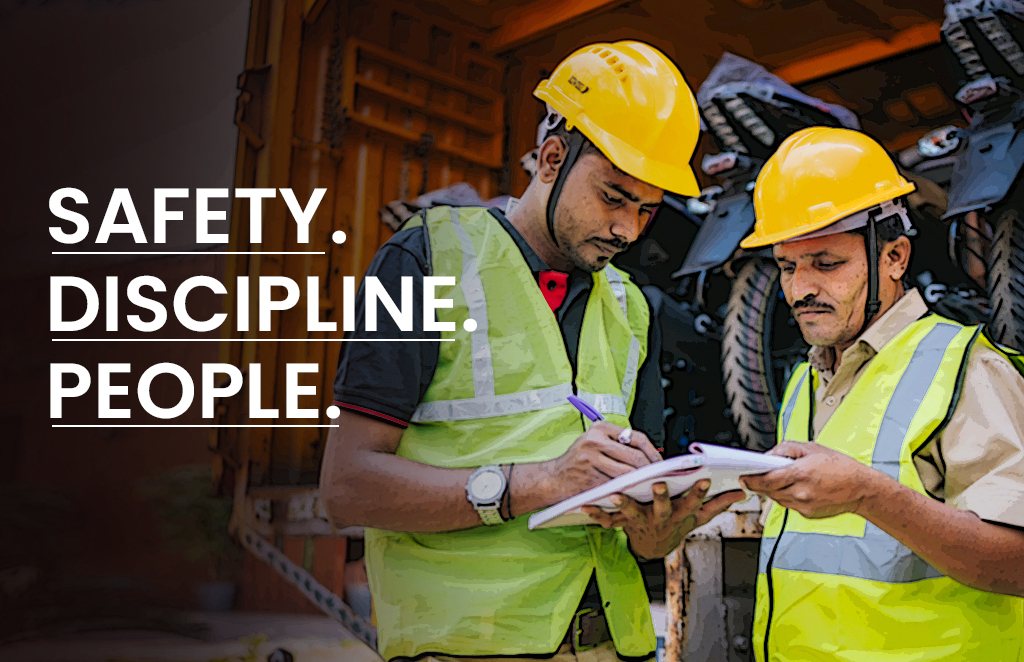
In logistics, people often notice the large warehouses, the fleets of vehicles and the constant movement. But behind that scale lies something far more fundamental – the everyday discipline of the people who handle each vehicle with care. At TransGlobal, operations don’t begin with equipment; they begin with individuals who take responsibility for their safety and the safety of their colleagues. Before a single scooter is rolled onto a truck or scanned, this mindset sets the tone for everything that follows.
Safety Isn’t a Rulebook – It’s Habit
A safe logistics environment isn’t built on instructions alone. It’s built on repeated actions that eventually become instinct. Our teams follow simple practices that protect both themselves and the vehicles they handle – staying hydrated during long shifts, informing managers if they’re unwell, avoiding unsafe shortcuts around moving vehicles and not using mobile phones while working. These small behaviours add up over time, creating a workplace where awareness is natural rather than forced, and safety becomes a shared responsibility instead of an obligation.
Inside the Loading Bay: Consistency, Technique & Precision
What seems like a simple loading exercise from the outside is, in reality, a highly structured sequence. Every vehicle goes through a visual check before it gets anywhere near a truck. Scratches, dents or cracks are identified early and questionable units are isolated for further inspection. Once a vehicle clears this stage, placement begins – not randomly but according to a fixed order that ensures stability and prevents chain reactions between units.
This placement process follows a predictable rhythm:
- Vehicles are positioned in a specific sequence.
- Spacing between vehicles is intentional and helps maintain balance throughout the row.
- SKU holding fittings are aligned in a consistent manner, ensuring no unexpected tilt or shift.
- Once positioned, fixtures are tightened systematically – clamping bars, bolts and grooves alignment are checked for fit.
- Barcode Scanning is matched before the unit is confirmed as loaded, reducing documentation errors.
These steps remove ambiguity and bring uniformity across hubs, making each dispatch as reliable as the last.
Human Skill Still Leads the Movement
Even with well-defined systems, much of the movement inside our hubs still depends on the hands and judgement of trained handlers. Vehicles aren’t pushed from behind or steered by grabbing random parts. They are held by the handle, guided with controlled movement and lifted onto the main stand using the correct technique. The vehicle must remain vertical, especially when passing through gangways designed for safe movement. These techniques aren’t just meant to protect vehicles – they prevent strains, slips and avoidable injuries for the handler as well. Over time, these motions become second nature, transforming technique into craftsmanship.
Unloading: A Quiet Test of Skill
If loading demands precision, unloading demands patience. This stage often goes unnoticed, yet it carries a significant amount of risk if rushed. Vehicles must come off the truck in the same controlled sequence in which they were placed, and handlers take time to maintain balance and spacing throughout the process.
Key steps during unloading include:
- Following the original loading sequence to avoid imbalance inside the truck.
- Removing jute bags and protective sheets carefully, ensuring nothing catches or drags.
- Loosening clamps one unit at a time, without disturbing adjacent vehicles.
- Maintaining enough space between vehicles so no two units touch while being moved.
A rushed movement at this stage can undo hours of careful effort, which is why teams approach unloading with a calm, methodical rhythm.
Why These Details Matter
Every vehicle that passes through our hubs eventually reaches someone who has been waiting for it – a customer buying their first scooter, a family finally upgrading their commute or a rider bringing home a vehicle they’ve worked hard for. That is why every controlled step, every inspection and every safety measure is important. A scratch or dent isn’t “minor” when it affects a customer’s experience. A slip during unloading isn’t “small” when it compromises trust.
For us, safety isn’t the final layer added at the end of a process – it’s embedded in every stage, from inspection to loading, movement and dispatch. When our people operate safely, the entire network runs better. It’s this consistency, awareness and pride that define TransGlobal’s standard of excellence.
Logistics may move on trucks and timelines, but it is powered by people. And when people choose safety as part of their daily rhythm, the entire system becomes stronger, more reliable and ready for anything.