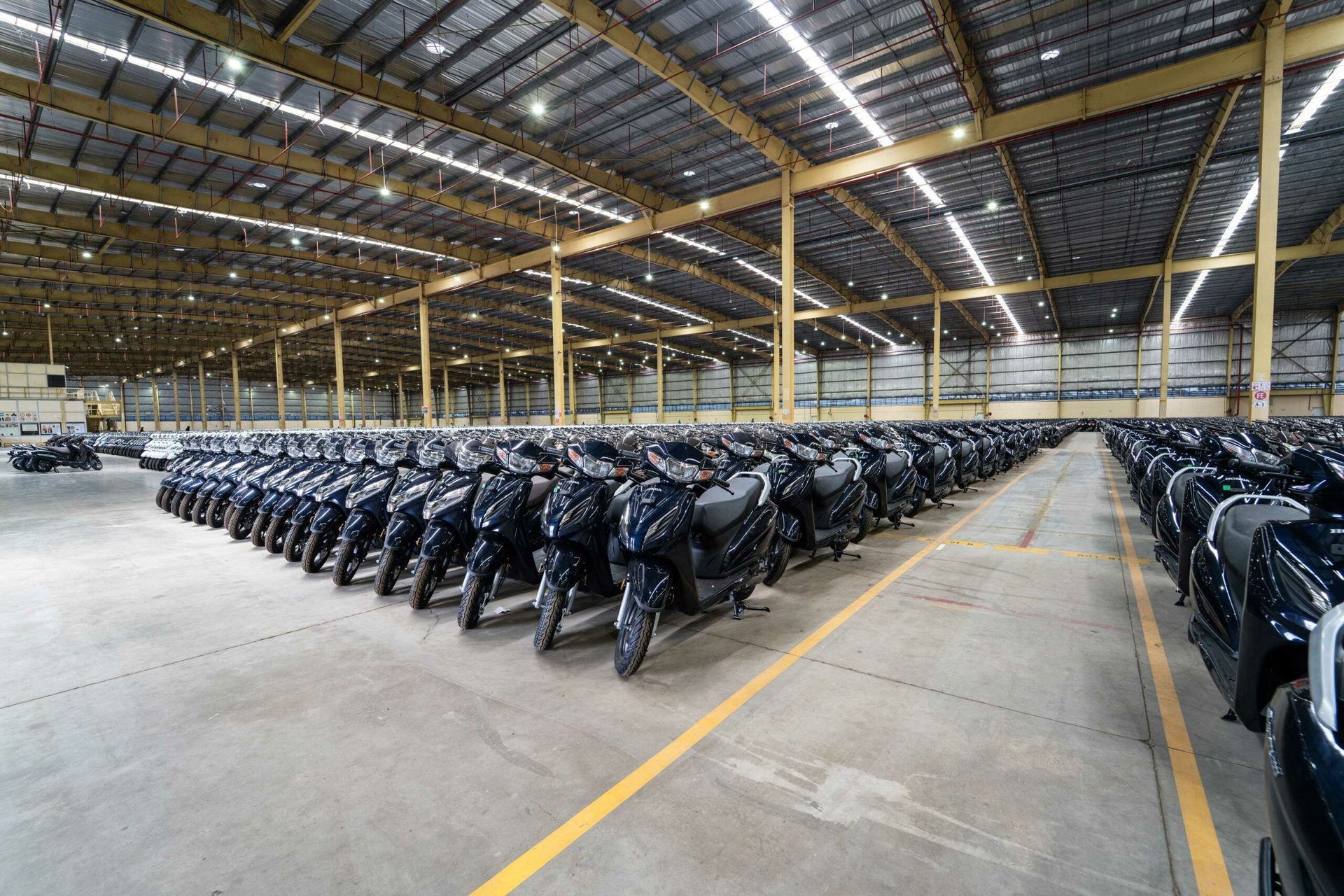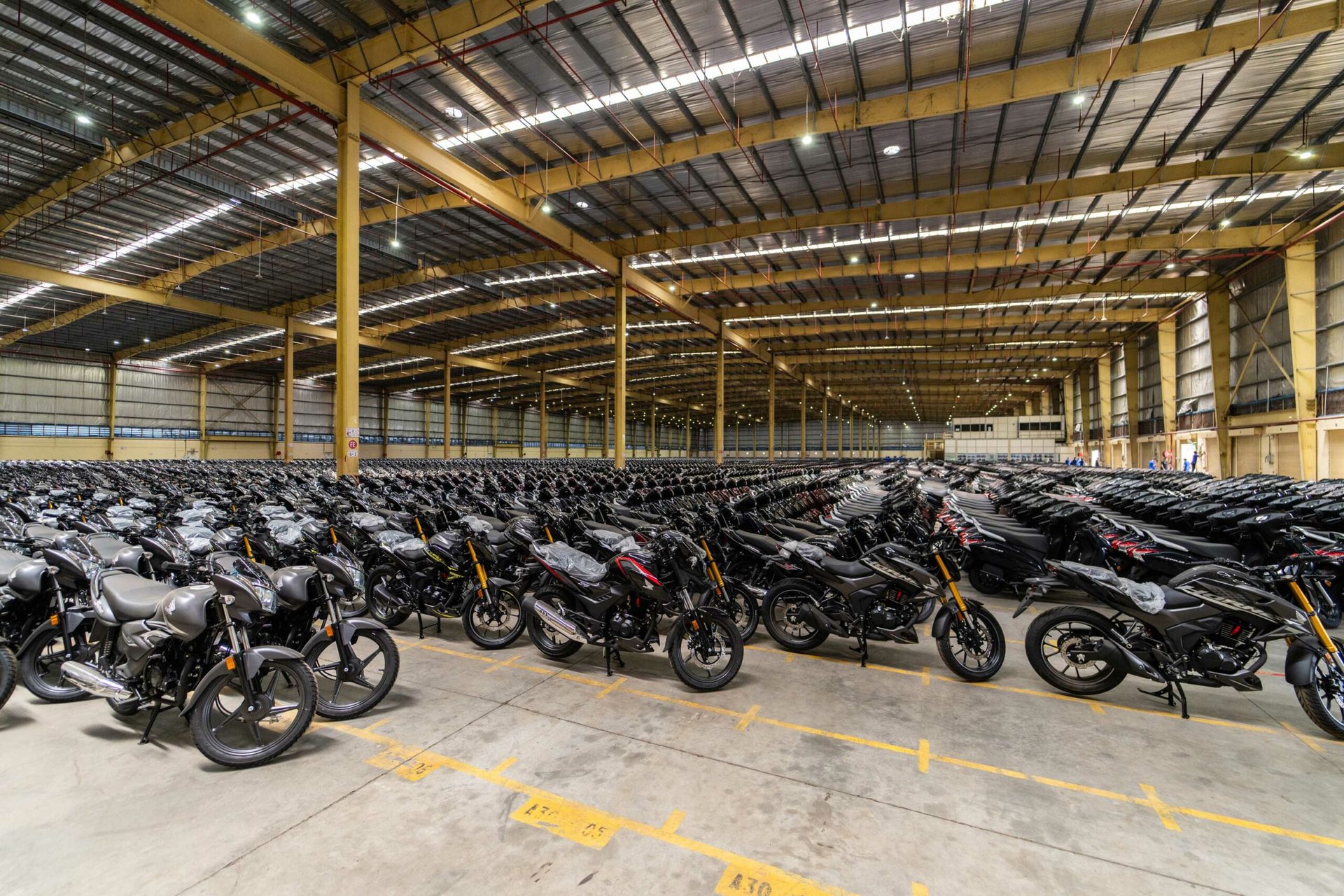
A vehicle is made up of thousands of components, sourced from multiple suppliers and often transported across long distances before they reach the production line. With so many moving parts involved, automotive manufacturing leaves very little room for delays or inefficiencies. A missing component or a late delivery can affect an entire production schedule.
This is why warehousing has become an increasingly important part of automotive supply chain management. It is no longer just about storing components until they are needed. A well-managed warehouse can help manufacturers improve inventory control, shorten lead times, coordinate transportation and keep production moving smoothly.
The changing role of warehousing
The traditional automotive supply chain has relied heavily on Just-in-Time (JIT) manufacturing, where components are delivered close to the time they are required. While this approach helps reduce excess inventory and storage costs, recent disruptions have shown the risks of operating with extremely lean inventories. Automotive companies are now looking for a better balance between efficiency and resilience, particularly for critical components.
Warehousing can help create that balance. Strategic inventory positioning allows businesses to keep essential components closer to manufacturing facilities while avoiding the cost of holding excessive stock everywhere. Inventory can also be organised according to demand, component criticality and production schedules, making it easier to access what is needed when it is needed.
India’s growing manufacturing and automotive sectors are already contributing to increased demand for logistics and warehousing infrastructure. Recent market data shows the automobile sector among the key drivers of industrial and logistics leasing activity in the country.
Improving the flow of components
Efficiency inside a warehouse can have a direct impact on the wider supply chain. Poorly planned storage, unnecessary handling and inefficient picking processes can add time and cost to every shipment.
Modern warehouse practices such as kitting, sequencing and cross-docking can help streamline the movement of automotive components. Instead of sending individual parts through multiple handling stages, components can be grouped and prepared according to production requirements before being dispatched to the manufacturing facility. This is particularly useful for JIT and Just-in-Sequence operations, where timing and order are critical.
The same principle applies to transportation. When warehouse operations are closely coordinated with vehicle schedules and delivery requirements, businesses can reduce waiting time and improve vehicle utilisation. Better coordination between storage and transportation also makes it easier to respond when production schedules change.
Visibility is becoming essential
As automotive supply chains become more complex, knowing where inventory is and when it will be available is just as important as having the inventory itself.
Warehouse Management Systems, barcode and RFID technologies, IoT-enabled tracking and other digital tools can provide greater visibility across warehouse operations. This can help businesses improve inventory accuracy, identify shortages earlier and make faster decisions when demand or supply conditions change.
Technology is also making warehouses more automated and data-driven. However, the value of these systems lies in how effectively they support everyday operations. The right combination of technology, processes and people can help reduce errors, improve turnaround times and make better use of warehouse space.
Warehousing as a strategic advantage
For automotive businesses, efficient warehousing ultimately comes down to creating a smoother flow of materials from supplier to production line. It can help reduce unnecessary inventory movement, improve availability of critical components and provide greater flexibility when supply chains are disrupted.
As the automotive industry evolves – with the growth of electric vehicles, changing sourcing patterns and increasing focus on supply-chain resilience – the role of warehousing will continue to expand.
The warehouse is becoming an active part of the automotive supply chain, connecting inventory, transportation and production more closely than ever before. Businesses that invest in this connection can build supply chains that are not only more efficient, but also better equipped to adapt to what comes next.