
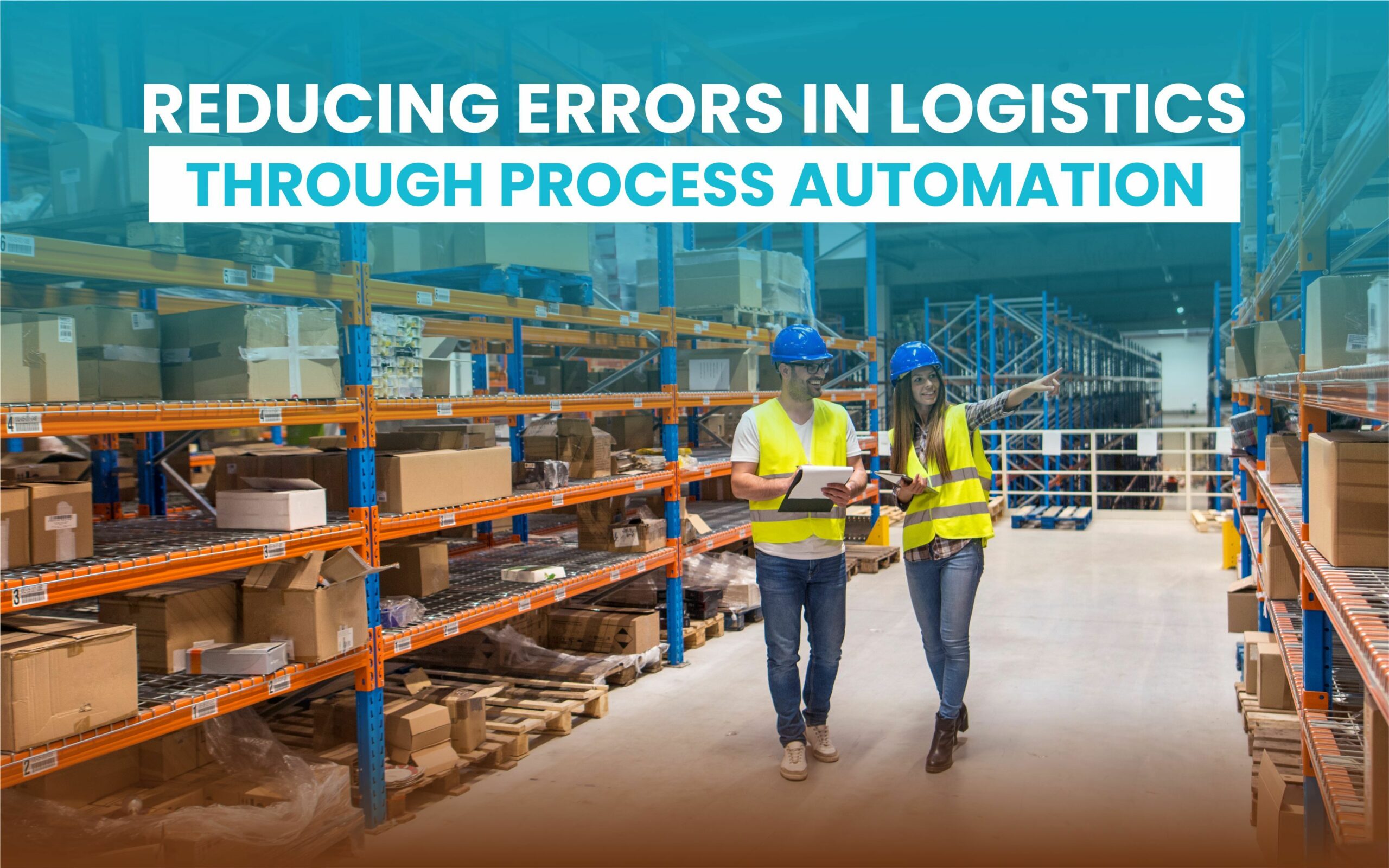
In an increasingly competitive and fast-moving business environment, logistics has evolved from a support function into a strategic driver of growth. Whether you are an e-commerce brand, a manufacturing company, or a distributor, your ability to deliver products efficiently and reliably directly impacts customer satisfaction, operational costs, and scalability.
Choosing the right logistics partner, therefore, is not just a procurement decision. It is a business-critical choice that influences how your brand is perceived.
This raises an important question: what should businesses evaluate when selecting a logistics partner?
Reliability as the Foundation of Logistics
At its core, logistics is built on reliability. No matter how advanced the systems or how competitive the pricing, a logistics partner must be able to deliver shipments on time and in good condition, consistently.
Delays or failed deliveries don’t just disrupt operations. They affect customer trust, retention, and even future purchase decisions.
For businesses, this means evaluating a partner’s track record, service commitments, and ability to handle disruptions without compromising timelines. Consistency over time matters more than one-time performance.
Network Strength and Geographic Reach
A logistics partner’s network determines how efficiently goods move across regions. As businesses expand, limited reach can quickly become a bottleneck. An ideal partner should offer strong regional and national coverage, dependable last-mile delivery, and strategically located warehouses.
For companies operating domestically, a solid cargo partner logistics India network ensures smoother movement across cities and states. For global expansion, working with reliable worldwide logistics partners becomes equally important to maintain consistency across borders.
A strong network improves delivery speed, reduces transit costs, and allows businesses to scale without operational strain.
The Role of Technology in Modern Logistics
Technology plays a central role in modern logistics. Businesses today expect real-time visibility, accurate forecasting, and seamless integrations. However, what matters is how effectively it is used.
A capable logistics partner should offer real-time tracking, data-driven insights, and system integration. More importantly, technology should help anticipate disruptions, optimise routes, and improve decision-making.
This level of visibility also allows businesses to plan better, reduce delays, and keep customers informed at every stage.
Scalability and Operational Flexibility
Business demand is rarely constant. Seasonal spikes, campaigns, and market shifts can significantly impact volumes. A logistics partner must be able to scale operations, adapt quickly, and respond to disruptions without compromising service quality.
Whether it’s handling a sudden surge in orders or adjusting delivery routes during disruptions, flexibility ensures operations continue smoothly without added pressure on internal teams.
Cost Transparency and Financial Clarity
While cost is important, transparency matters more. Low quotes often hide additional charges that increase overall spend over time. Businesses should look for clear pricing structures, detailed breakdowns, and predictable billing.
This not only helps avoid surprises but also allows for better budgeting and long-term cost control.
Industry Experience and Specialized Expertise
Logistics requirements vary across industries. Handling FMCG is not the same as managing pharmaceuticals or e-commerce.
A logistics partner with relevant experience can anticipate issues, follow best practices, and ensure smoother execution. They are also better equipped to handle industry-specific challenges like compliance, storage conditions, or delivery timelines.
This often results in fewer errors, faster resolution of issues, and more efficient operations overall.
Communication and Service Support
Effective communication plays a crucial role in logistics.
When disruptions occur, timely updates and clear communication help businesses respond quickly and manage expectations. A reliable logistics partner ensures proactive updates, accessible support, and defined escalation processes.
Often, it’s not the issue itself, but the lack of visibility that creates friction and delays decision-making.
Compliance, Risk Management and Safety Standards
Logistics involves multiple regulations, including transportation laws, customs requirements, and safety standards. A dependable logistics partner ensures compliance, manages documentation efficiently, and maintains strong safety practices across operations.
This reduces the risk of delays, penalties, and disruptions, while also ensuring smoother cross-border and domestic movement of goods.
Sustainability and Responsible Logistics Practices
Sustainability is becoming an important factor in supply chain decisions.
From route optimisation to energy-efficient warehousing, responsible practices are now part of how businesses evaluate partners. Many companies are also looking at emissions tracking and greener alternatives as part of long-term planning.
It is no longer a “nice to have,” but a growing expectation.
Performance Metrics and Accountability
An effective logistics partnership is built on measurable performance.
Metrics such as on-time delivery, order accuracy, and damage rates provide clear insights into efficiency. A strong logistics partner tracks and shares these metrics, demonstrating accountability and a commitment to continuous improvement.
Regular performance reviews also help identify gaps and improve processes over time.
Conclusion
Selecting the right logistics partner requires evaluating reliability, network strength, technology, scalability, and transparency together.
Logistics today plays a direct role in customer experience and business growth. The goal is not just to engage a service provider, but to build a partnership that supports operations without friction.
This is where the distinction between a vendor and a true partner becomes clear.
A partner that invests in infrastructure, uses technology effectively, and prioritises consistent execution can simplify operations and create long-term value.
At TransGlobal Carriers, this approach is reflected in a focus on combining infrastructure, technology, and operational expertise to deliver reliable and scalable logistics solutions. With strategically located warehousing, a strong transport network, and capabilities aligned with both cargo partner logistics India needs and worldwide logistics partners, the objective remains the same: to help businesses move forward without disruption.
Ultimately, the right logistics partner doesn’t just move goods.
They help move the business forward.
 +91 866 966 3333